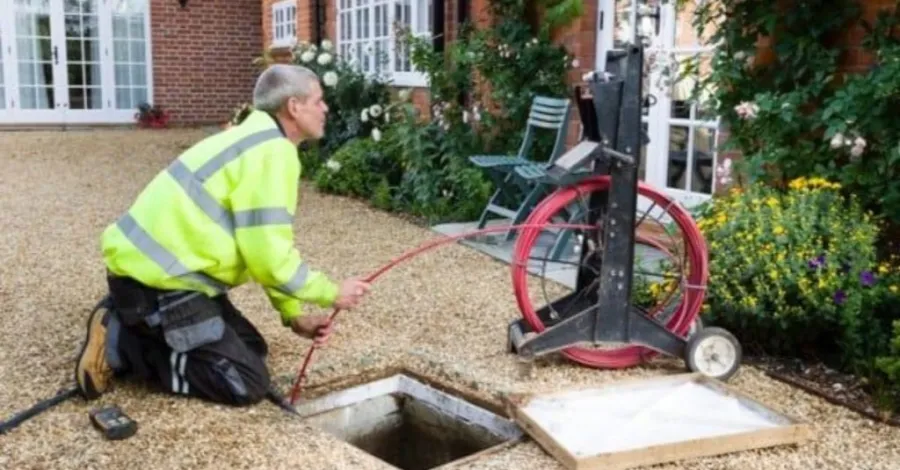
Sewer blockages can pose significant challenges for homeowners, often leading to unpleasant odors, unsanitary conditions, and costly repairs. Understanding the causes of these blockages and the techniques for effective clearance is essential for maintaining a healthy plumbing system. From tree roots infiltrating pipes to the accumulation of grease and debris, various factors can contribute to clogs that disrupt the flow of wastewater and create hazardous environments in residential areas.
This article explores the best practices for sewer blockage clearing, providing insights into both DIY methods and professional solutions. We will discuss the tools and techniques that can help homeowners address minor issues before they escalate, as well as when to call in experts for more severe clogs. By equipping yourself with the right knowledge, you can keep your sewer lines running smoothly and avoid the headaches associated with unexpected sewer problems.
Common Causes of Sewer Blockages
Sewer blockages often stem from a variety of factors that can accumulate over time, leading to significant plumbing issues. One prevalent cause is the intrusion of tree roots, which can penetrate pipes in search of moisture. Additionally, the buildup of grease from cooking, combined with debris such as hair, soap, and foreign objects, can solidify and create stubborn clogs. Homeowners should regularly inspect their plumbing systems for early signs of blockages and adhere to best practices for waste disposal. For serious or recurrent issues, seeking assistance with a comprehensive Sewer Blockage Clearing Tweed Shire service can be beneficial in restoring proper function.
DIY vs. Professional Solutions
When faced with a sewer blockage, homeowners often wonder whether to address the problem themselves or call in professional help. Simple clogs can sometimes be cleared using tools like plungers or drain snakes, along with chemical solutions designed to dissolve buildup. However, for more complex issues like those caused by extensive root infiltration or severe pipe damage, it is advisable to engage professional services. Experts possess specialized equipment such as hydro-jetters and video inspection tools to accurately diagnose and effectively resolve sewer problems. Taking the right approach can save time, effort, and ultimately, money on potential repairs.
In conclusion, effectively managing sewer blockages requires a proactive approach that combines knowledge of common causes with the right tools and techniques for clearing debris. Homeowners should remain vigilant in monitoring their plumbing systems and practice proper waste disposal to minimize the risk of clogs. While DIY solutions can be effective for minor blockages, understanding when to call in professionals is crucial for tackling more severe issues that could lead to significant damage and costly repairs. By prioritizing regular maintenance and being prepared to seek help when needed, you can ensure the longevity of your plumbing system and maintain a safe, healthy home environment.